Introduction: A Once‑in‑a‑Lifetime Decision
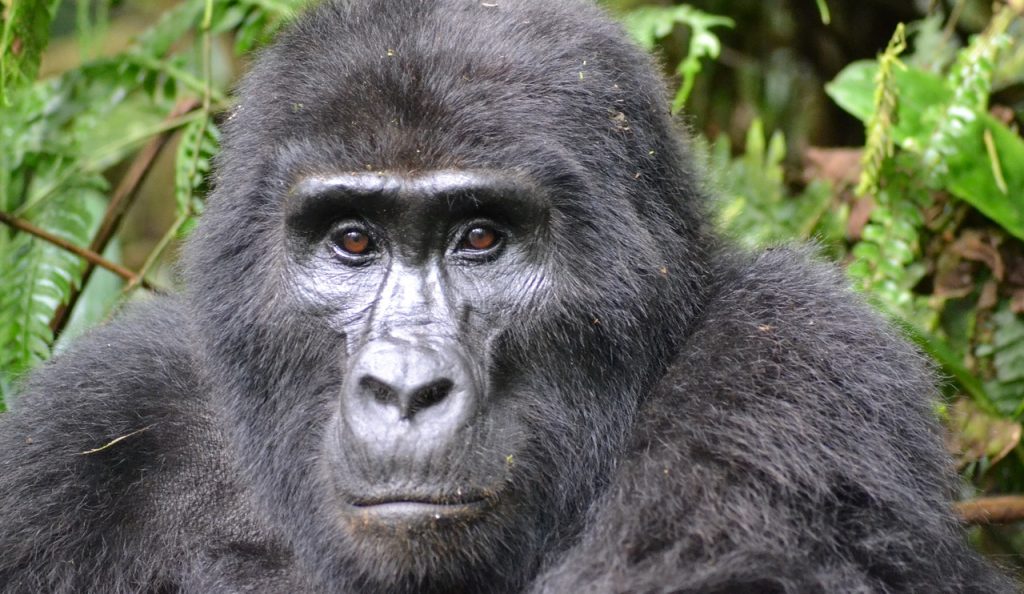
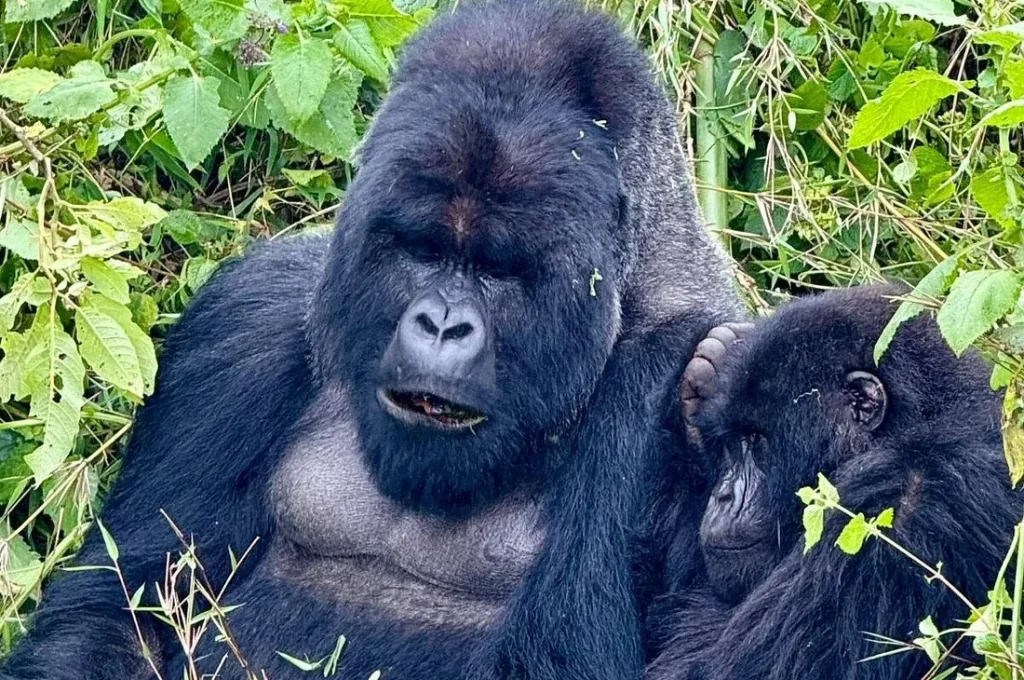
Only two countries on earth offer safe, reliable, and well‑managed mountain gorilla trekking: Uganda and Rwanda. Both provide the chance to spend one unforgettable hour with a wild mountain gorilla family, but the overall experience – from cost and logistics to terrain and additional activities – differs significantly.
With mountain gorilla numbers slowly rising, 2026 is an excellent year to plan this bucket‑list adventure. This in‑depth guide compares every key aspect so you can make an informed choice that fits your budget, travel style, and sense of adventure.
The Gorilla Permit – Your Most Important Cost
The gorilla trekking permit is the single biggest fixed expense of any gorilla safari, and it’s non‑negotiable – every visitor needs one.
Rwanda Gorilla Permit (2026)
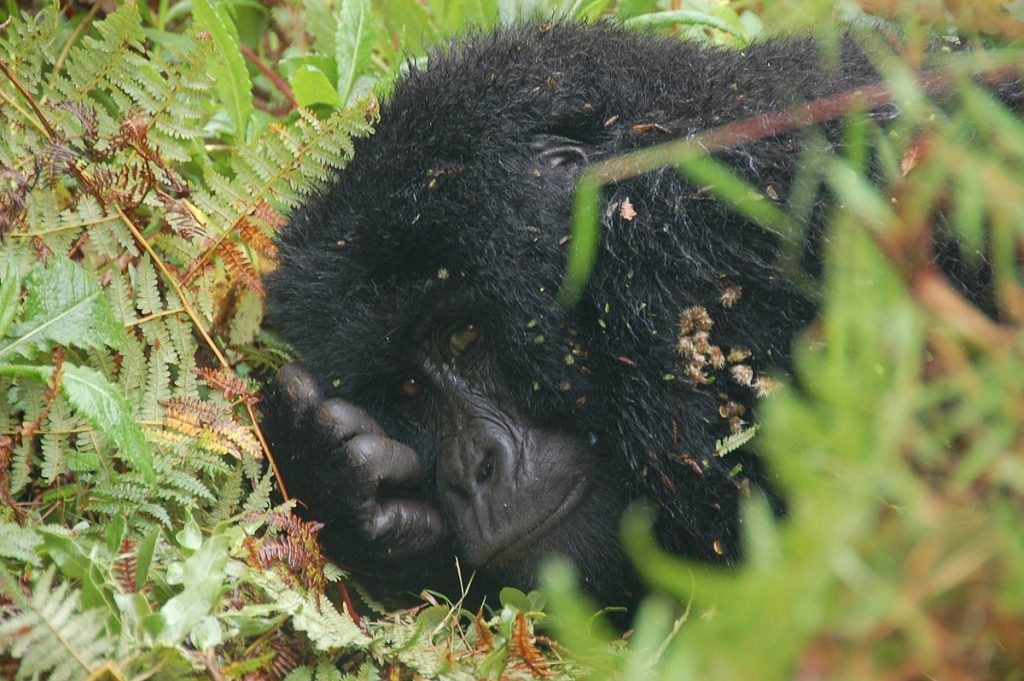
Rwanda’s gorilla trekking permit costs $1,500 USD per person for foreign non‑residents. This price reflects Rwanda’s premium, low‑volume, high‑yield tourism model. The permit includes park entry, ranger guides, and one hour with a fully habituated gorilla family in Volcanoes National Park.
However, Rwanda offers a valuable 30% discount ($1,050) if you combine your gorilla trek with at least two nights in Akagera National Park (savannah wildlife) or Nyungwe Forest National Park (chimpanzee tracking).
Uganda Gorilla Permit (2026)
Uganda’s standard gorilla trekking permit costs $800 USD per person for foreign non‑residents – a difference of $700 per person compared to Rwanda. For a couple, that saving is $1,400, enough to add several extra days of safari accommodation or another park activity. Uganda also offers a low‑season rate of $600 USD during April, May and November, making it even more budget‑friendly.
In addition, Uganda offers the exclusive Gorilla Habituation Experience in Bwindi’s Rushaga sector. For $1,500, you spend up to four hours with a semi‑habituated gorilla family, gaining a much deeper understanding of gorilla behaviour and social interactions.
Where You Trek: The Parks Compared
| Aspect | Volcanoes National Park (Rwanda) | Bwindi Impenetrable NP (Uganda) | Mgahinga Gorilla NP (Uganda) |
|---|---|---|---|
| Permit cost (2026) | $1,500 (peak); $1,050 with discount | $800 (peak); $600 (low season) | $800 (peak) |
| Terrain type | Bamboo forest, volcanic slopes | Dense tropical rainforest, steep ridges | Volcanic slopes, quieter setting |
| Altitude | 2,400–3,500 m (high) | 1,160–2,600 m (varied) | 2,227–4,127 m |
| Number of habituated groups | 12 families | 19+ families | 1 family (Nyakagezi) |
| Daily permits available | ~96 | ~152 | ~8 |
| Transfer from airport | 2.5–3 hours from Kigali | 8–10 hours from Entebbe (or fly) | 8–10 hours from Entebbe |
| Trekking difficulty | Moderate; altitude may affect breathing | Strenuous; very steep in parts | Moderate |
Rwanda’s Volcanoes National Park sits on the slopes of the Virunga volcanic mountain chain. The bamboo forest is generally more open than Bwindi’s jungle, and the briefing process is extremely polished and efficient. However, the altitude (2,400–3,500 m) can make the hike feel harder than the distance suggests.
Uganda’s Bwindi Impenetrable National Park is a UNESCO World Heritage Site and an ancient rainforest so thick that rangers sometimes cut trails with machetes. Treks can range from one hour to over seven hours, but the sense of discovery when you finally encounter the gorillas deep in the forest is unrivalled. Bwindi is divided into four trekking sectors – Buhoma, Ruhija, Rushaga and Nkuringo – each with its own gorilla families and varying difficulty levels.
For travellers seeking a quieter, less crowded experience, Uganda’s Mgahinga Gorilla National Park offers dramatic volcanic scenery and just one habituated family (Nyakagezi), meaning fewer tourists and a more intimate atmosphere.
Accessibility & Travel Logistics
Rwanda wins decisively on convenience. Volcanoes National Park is only a 2.5–3 hour drive from Kigali International Airport on excellent paved roads. You can land in Kigali in the morning, transfer to the park, and trek the next morning – ideal for travellers with limited time.
Uganda requires more patience. Bwindi is 8–10 hours by road from Entebbe International Airport, though the drive passes through beautiful tea plantations and rural villages. Many travellers choose a smarter option: fly into Kigali and drive approximately 4 hours across the border to Bwindi’s southern sectors, combining the best of both destinations.
Visa tip: The East African Tourist Visa ($100 USD) covers Rwanda, Uganda and Kenya, allowing seamless cross‑border travel.
Terrain & Trekking Difficulty – What to Expect Physically
Both parks require reasonable fitness, but the challenges are different:
- Volcanoes National Park: The trek is generally less physically strenuous in terms of ground conditions, but the high altitude (often exceeding 2,500 m) means you may feel short of breath. Treks typically last 1–4 hours.
- Bwindi Impenetrable National Park: The name is accurate. Dense undergrowth, steep ridges and muddy trails make this a genuine rainforest adventure. Treks can range from one hour to seven hours or more. The Rushaga sector is generally the easiest terrain; Nkuringo involves steep descents and ascents.
Hiring a porter (around $15–20) is highly recommended in both parks – they carry your daypack and provide a steadying hand on slippery slopes.
Best Time to Trek in Rwanda & Uganda
Gorilla trekking is excellent all year round because both countries sit on the equator, with comfortable temperatures throughout the year. However, trekking conditions vary:
| Season | Months | Conditions |
|---|---|---|
| Peak Dry Season | June – September | Drier trails, easier trekking, higher prices, more crowds |
| Short Dry Season | December – February | Good conditions, festive period can be busy |
| Wet / Green Season | March – May, October – November | Muddy trails, greener scenery, fewer tourists, lower prices |
The wet season has real advantages: the vegetation is at its most lush, the forests are quieter, and you may qualify for Uganda’s low‑season permit discount ($600 instead of $800). With proper rain gear, the experience is magical 365 days a year.
Beyond Gorillas: Combining with Other Safaris
Both countries offer excellent add‑on experiences:
In Rwanda:
- Akagera National Park: Rwanda’s only classic savannah destination, offering the Big Five (lion, leopard, elephant, rhino, buffalo) just 2.5 hours from Kigali.
- Nyungwe Forest National Park: World‑class chimpanzee tracking and a stunning canopy walkway.
In Uganda:
- Queen Elizabeth National Park: Famous for tree‑climbing lions in the Ishasha sector, boat cruises on the Kazinga Channel, and 600+ bird species.
- Kibale Forest National Park: The best chimpanzee tracking in East Africa, plus other primate species.
- Murchison Falls National Park: Dramatic waterfalls and excellent Nile boat safaris.
Which Destination Is Right For You?
Choose Rwanda if:
- You have limited time (2–3 days for the gorilla experience)
- You prefer a polished, luxury‑oriented experience
- You want the shortest travel time from an international airport
- Budget is less of a concern
Choose Uganda if:
- You want the most affordable permit price ($800 vs $1,500)
- You’re seeking a more adventurous, wild trekking experience
- You want to combine gorilla trekking with classic savannah safaris
- You’re interested in the 4‑hour Gorilla Habituation Experience
Choose both if you have 7–10 days – many travellers start in Rwanda for a Volcanoes trek, cross into Uganda for Bwindi, and add Queen Elizabeth or Kibale for a complete primate and wildlife safari.
Final Thoughts
Both Uganda and Rwanda deliver a profoundly moving wildlife encounter. The $700 per‑person permit difference is significant, but your choice should also consider trekking style, available time, and what other experiences you want to include.
Whichever destination you choose, you will be supporting mountain gorilla conservation directly – your permit fees fund anti‑poaching units, ranger salaries and community development programs that have helped bring these magnificent animals back from the brink of extinction.