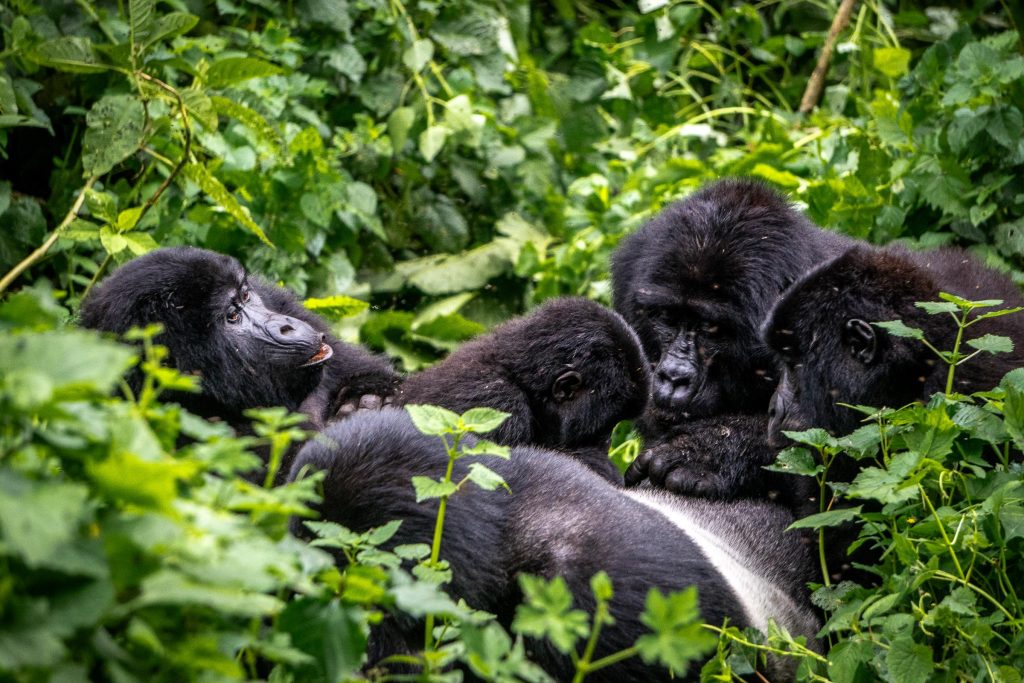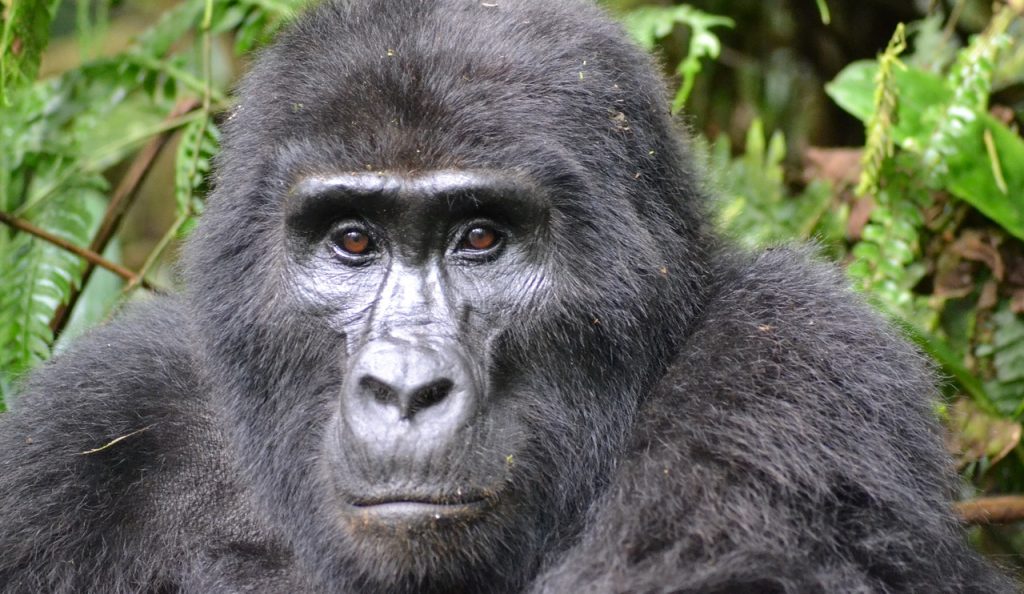
Rwanda’s Volcanoes National Park is one of the most extraordinary places on earth to encounter mountain gorillas in their natural habitat. Just a 2.5‑hour drive from the capital, Kigali, this misty bamboo forest is home to nearly a third of the world’s remaining mountain gorillas.
But a gorilla trek is not a typical zoo visit. It requires preparation, fitness, and an understanding of the rules and logistics. Whether you are a first‑time safari traveller or a seasoned adventurer, these 10 things to know before gorilla trekking in Rwanda will help you make the most of your once‑in‑a‑lifetime experience.
1. Gorilla Permits Are Expensive – But Worth It
As of 2026, a standard gorilla trekking permit in Rwanda costs $1,500 per person for foreign non‑residents. This is the highest permit fee in East Africa, but it includes:
- Park entrance fees
- A professional ranger guide
- One hour with a fully habituated gorilla family
- Contribution to conservation and community projects
Discount tip: If you also visit Akagera National Park (Big Five safari) or Nyungwe Forest (chimpanzee trekking), you can get a 30% discount on the gorilla permit – reducing the price to $1,050. Ask your tour operator to bundle these parks.
Key takeaway: Book your permit at least 6 months in advance – especially for the dry season (June–September, December–February). Permits are strictly limited to 96 per day.
2. You Need a Good Level of Fitness
Gorilla trekking in Volcanoes National Park takes place at high altitude – between 2,400 and 3,500 metres (8,000–11,500 feet). Even if the distance is short (1‑4 hours), the altitude can make breathing harder.
- The terrain is bamboo and Hagenia forest, with slopes that can be steep.
- Treks start at the park headquarters in Kinigi (around 7:00 AM).
- You will hike until the trackers locate the gorilla family assigned to you.
What you can do: Start walking uphill regularly a few weeks before your trip. If you have respiratory issues, consult your doctor. Hiring a porter ($15‑20) is highly recommended – they carry your daypack and give you a steadying hand.
3. Pack the Right Gear – No Exceptions
The wrong clothing can ruin your trek. Here is a minimalist packing list for gorilla trekking in Rwanda:
| Item | Why it’s important |
|---|---|
| Waterproof hiking boots (broken in) | Trails are often muddy and slippery |
| Long-sleeved shirt & long trousers | Protects against stinging nettles and ants |
| Gardening gloves | You will grab vegetation to steady yourself |
| Rain jacket | Rain can come suddenly, even in dry season |
| Hat & sunscreen | Sun is strong at high altitude |
| Daypack (small) | To carry water, snacks, and camera |
| Camera with zoom lens (no flash) | Flash is strictly prohibited |
| Binoculars (optional) | For birdlife and monkeys |
Neutral colours only – green, brown, khaki. Bright colours or white can disturb the gorillas.
4. The Best Time to Go Is Not What You Think
Most people believe the dry seasons (June–September and December–February) are the best. And they are right – for easier trekking. Trails are less slippery, and you are less likely to get soaked.
However, the green / wet seasons (March–May and October–November) have major advantages:
- Fewer tourists (more intimate experience)
- Lower accommodation prices (up to 30% off)
- Lush, photogenic landscapes
- Migratory birds are present
Gorillas don’t mind the rain. They live in the rainforest. So if you can handle a little mud, the wet season is an excellent choice.
5. You Must Follow Strict Gorilla Trekking Rules
To protect the gorillas (and yourself), all trekkers must obey these golden rules:
- Keep a distance of at least 7 metres (about 23 feet) from the gorillas.
- No flash photography – it can startle them.
- Do not eat or drink near the gorillas.
- Turn your mobile to silent – loud noises disturb them.
- If you are sick (cold, flu, COVID), stay behind. Gorillas are susceptible to human diseases.
- No sudden movements – crouch down and avoid direct eye contact for long periods.
Your guide will brief you before the trek. Listen carefully and ask questions.
6. You Can Hire a Porter – And You Should
At the trailhead, you will be approached by local porters. They are part of a community cooperative that provides jobs and reduces poverty around the park.
Why hire a porter:
- They carry your daypack (up to 15 kg).
- They help you up slippery slopes and muddy sections.
- You directly support the local economy.
- Cost is only $15–20 (plus tip).
Many travellers say hiring a porter was the best $20 they spent on the entire safari.
7. Volcanoes National Park Has 12 Gorilla Families
Rwanda’s gorilla trekking takes place exclusively in Volcanoes National Park (not Bwindi – that’s Uganda). The park has 12 fully habituated gorilla families, each with its own name, history, and personality.
Examples:
- Susa family – one of the largest, often high up the volcano.
- Amahoro family – known for being calm.
- Kwitonda family – named after a famous silverback.
On the morning of your trek, you are assigned to a family based on your fitness level and the group’s location. You do not choose the family, but all provide an unforgettable hour.
8. You Can Combine Gorilla Trekking with Other Safari Experiences
Rwanda is not just about gorillas. The country is small, with excellent roads, making it easy to add other activities.
| Park | Distance from Volcanoes NP | Key attraction |
|---|---|---|
| Akagera National Park | 4‑5 hours | Big Five safari, boat cruise on Lake Ihema |
| Nyungwe Forest National Park | 5‑6 hours | Chimpanzee trekking, canopy walkway |
| Lake Kivu | 2‑3 hours | Relaxation, kayaking, beach resorts |
A typical 7‑day Rwanda itinerary includes 1‑2 days of gorilla trekking, 2 days in Akagera, and 1‑2 days in Nyungwe. This gives you savannah, rainforest, and primates – all in one trip.
9. Altitude Sickness Is Rare but Possible
At 3,000 metres, some people experience mild symptoms of altitude sickness: headache, fatigue, nausea, or shortness of breath. It is rarely serious, but you should know the signs.
Prevention tips:
- Arrive in Kigali (1,500m) a day early to acclimatise.
- Stay hydrated – drink at least 3 litres of water before and during the trek.
- Avoid alcohol the night before.
- Trek slowly – take breaks when you need them.
If you feel very unwell, tell your guide immediately. They are trained to handle altitude issues and will arrange a safe descent if necessary.
10. Tipping Is Expected – Here’s How Much
Guides, drivers, and porters in Rwanda work hard to give you a great experience. Tipping is not mandatory, but it is strongly appreciated and forms a large part of their income.
Recommended tipping amounts (per group, not per person):
| Role | Tip per day / per trek |
|---|---|
| Safari driver‑guide | $20‑30 per day |
| Gorilla guide (park ranger) | $20‑30 per trek |
| Porter | $10‑15 per trek |
| Lodge staff | $5‑10 per day (leave in a communal box) |
Pro tip: Carry small US dollar bills or local currency (Rwandan francs). Change larger notes before your trip – many porters cannot break $50 or $100 bills.
Bonus: What Happens After Your Trek?
After your magical hour with the gorillas, you will hike back to the trailhead. Here is what many travellers do next:
- Celebrate with a certificate – some lodges give a “Gorilla Trekking Completion” certificate.
- Soak your muscles – a hot bath or lodge spa treatment works wonders.
- Check for ticks – do a full body check (ticks can carry diseases).
- Tip your porter and guide – do it in person, with a smile.
- Donate to conservation – the Dian Fossey Gorilla Fund and Volcanoes National Park have donation boxes.
- Buy local crafts – the Iby’Iwacu Cultural Village near Kinigi sells handmade goods that directly support ex‑poachers and their families.
Final Thoughts
Gorilla trekking in Rwanda is a privilege, not a right. The $1,500 permit fee goes directly to protecting these endangered animals and empowering local communities. By following these 10 things to know before gorilla trekking in Rwanda, you will be prepared, respectful, and ready to have one of the most moving wildlife encounters on earth.
Ready to book your Rwanda gorilla safari?
Contact Albertine Region Safaris for custom itineraries, permit assistance, and expert guides who know the Virunga mountains like the back of their hands.
Request a free safari quote today