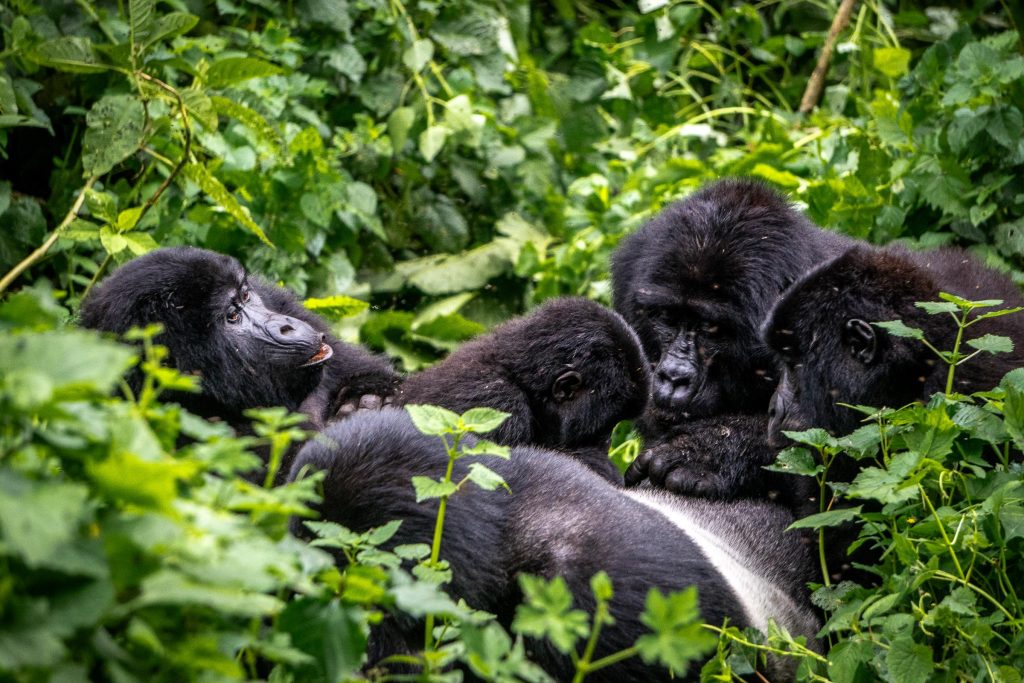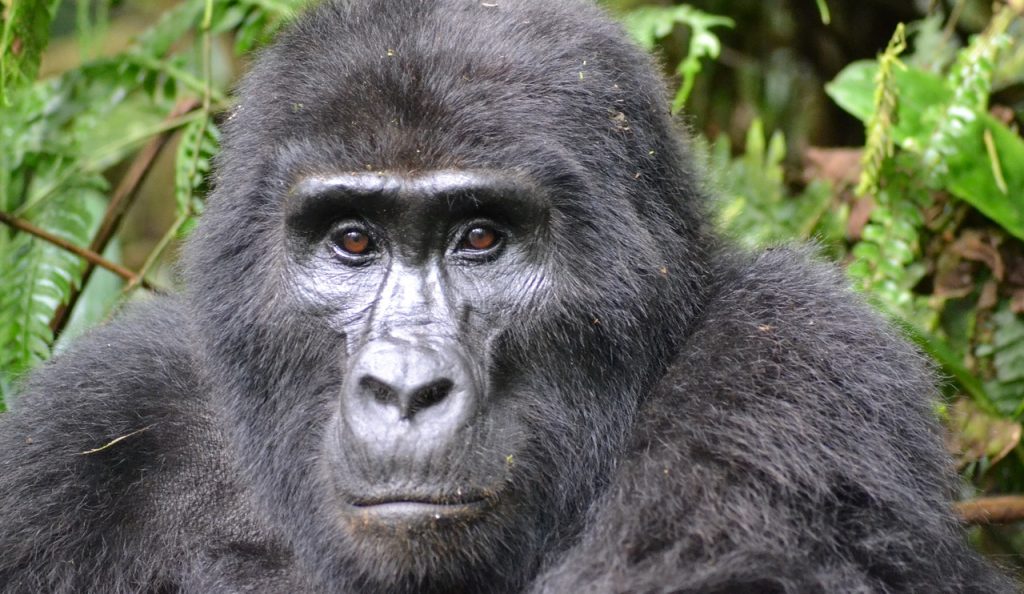
When most travellers think of Rwanda, they picture misty volcanoes and mountain gorillas. But just a few hours east of Kigali lies a completely different world: Akagera National Park – a classic African savannah teeming with elephants, lions, giraffes, zebras, rhinos, and over 500 bird species.
For first-time safari visitors, Akagera is the perfect introduction to African wildlife. It is safe, accessible, affordable, and offers a genuine wilderness experience without the crowds of more famous parks like Kenya’s Maasai Mara or Tanzania’s Serengeti.
In this complete guide, brought to you by Gorilla Safaris in Rwanda, we cover everything you need to know before your first Akagera safari – from what animals you will see and where to stay, to how much it costs and when to go.
1. Why Akagera Should Be Your First Safari
Akagera National Park is named after the Kagera River, which flows along its eastern border. The park covers 1,122 square kilometres (433 square miles) and protects a stunning variety of habitats: savannah plains, acacia woodland, swamps, lakes, and rolling hills.
Here is why Akagera is ideal for first-time safari visitors:
- Close to Kigali – Only 2.5‑3 hours’ drive on good paved roads.
- The Big Five – Lions, leopards, elephants, buffalo, and rhinos are all present.
- Self-drive friendly – You can explore with your own rental 4×4, no guide required (though hiring one is better).
- Affordable – Entrance fees start at $100 per day for international visitors, with discounts for longer stays.
- Safe – Akagera is managed by African Parks, a renowned conservation organisation with excellent anti‑poaching and ranger programs.
- Variety of activities – Game drives, night drives, boat cruises, fishing, and conservation tours.
For travellers combining gorilla trekking in Volcanoes National Park with a classic savannah experience, Akagera is the perfect addition to any Rwanda itinerary.
2. The Wildlife: What Animals Will You See?
Akagera has experienced a remarkable wildlife recovery over the past decade. Today, it is one of the few parks in East Africa where you can see the Big Five in a single day.
Lions
Lions were wiped out in Akagera after the Rwandan genocide. In 2015, African Parks reintroduced seven lions from South Africa. Today, the population has grown to over 40 individuals. Sightings are most reliable in the northern sector – the open plains near the Mutumba hills. Morning and late afternoon game drives offer the best chances.
Leopards
Akagera has a healthy but elusive leopard population. These solitary cats are most active at dawn and dusk. Look for them resting on rocky outcrops or crossing the park’s roads. Night game drives increase your chances significantly.
Elephants
Large herds of African elephants roam the northern savannahs and the woodlands near Lake Ihema. Herds of 50 or more individuals are common. Watching elephants bathe in the lakes or feed on acacia trees is a highlight of any Akagera safari.
Buffalo
Huge herds of Cape buffalo – sometimes numbering several hundred – graze across the open plains. They are often seen near water sources, accompanied by oxpeckers riding on their backs.
Rhinos
The black rhino was poached to extinction in Akagera by the early 2000s. In 2017, African Parks reintroduced 18 black rhinos from South Africa. A small number of white rhinos have also been introduced. Rhinos are primarily found in a fenced sanctuary in the northern sector, but they occasionally roam outside it. Sightings are becoming more common.
Giraffes
Reintroduced in 2019, giraffes are now a regular sight in the northern plains. Their graceful silhouettes against the golden grass are a photographer’s dream.
Other Wildlife
- Zebras – Large herds, especially in the north.
- Hippos – Hundreds live in Lake Ihema and the Kagera River.
- Crocodiles – Basking on riverbanks, especially near the boat launch.
- Antelopes – Impala, topi, eland, waterbuck, bushbuck, and the rare roan antelope.
- Spotted hyenas – Occasionally seen during night drives.
- More than 500 bird species – Including the elusive shoebill stork, African fish eagle, saddle‑billed stork, and papyrus gonolek.
Wildlife Sightings Likelihood (First-Time Visitor’s Guide)
| Animal | Difficulty to spot | Best area | Best time |
|---|---|---|---|
| Elephant | Easy | Northern plains, Lake Ihema | Morning, late afternoon |
| Buffalo | Easy | Kasenyi plains, lake shores | All day |
| Zebra | Easy | Northern sector | Morning |
| Giraffe | Easy | Northern sector | Morning |
| Hippo | Very easy | Lake Ihema (boat cruise) | Midday (in water) |
| Lion | Moderate | Mutumba hills, northern plains | Early morning, late afternoon |
| Leopard | Difficult | Rocky areas, woodland edges | Night drive |
| Rhino | Moderate | Northern fenced sanctuary | Morning |
| Shoebill stork | Difficult | Swamps near Lake Ihema | Early morning, dry season |
3. Best Time to Visit Akagera
Akagera is a year‑round destination, but the experience varies by season.
Dry Season (June – September)
- Pros: Short grass, animals congregate around water sources, easier to spot wildlife. Excellent for lion and rhino viewing.
- Cons: More tourists, higher accommodation prices, dusty roads.
- Verdict: Best overall for first-time visitors.
Short Dry Season (December – February)
- Pros: Similar to June‑September but slightly greener. Good wildlife viewing.
- Cons: Festive period can be busy (Christmas/New Year).
- Verdict: Excellent alternative to peak dry season.
Wet Season / Green Season (March – May & October – November)
- Pros: Lush landscapes, fewer tourists, lower prices (lodges offer 20‑30% discounts), excellent birdwatching (migratory birds present).
- Cons: Muddy roads (4×4 essential), wildlife more dispersed, some tracks may be impassable.
- Verdict: Good for birdwatchers and budget travellers. Avoid if you want guaranteed lion or rhino sightings.
First-time visitor recommendation:
If this is your first African safari, aim for June to September or December to February. You will have the best chance of seeing the most animals with the least frustration.
4. Activities in Akagera National Park
Akagera offers a range of activities. Here is what you can do on a first‑time visit.
Game Drive (Self‑Drive or Guided)
Most visitors start with a game drive. You can drive your own 4×4 vehicle or hire a park guide (recommended for first‑timers).
- Duration: Half‑day (4‑5 hours) or full‑day (8‑9 hours).
- Cost: Entrance fees cover self‑drive. Hiring a guide costs $25 (half‑day) or $40 (full‑day).
- Best route for beginners: Start at the southern entrance (Kabira), drive north to the Mutumba hills, then return via Lake Ihema.
Boat Cruise on Lake Ihema
This is a must-do activity for first‑time visitors. The two‑hour boat trip brings you within metres of hippos, crocodiles, elephants drinking at the shore, and spectacular birdlife.
- Cost: $35 per adult (scheduled trip), $45 for sunset cruise.
- Departures: 9:00 AM, 11:00 AM, 3:00 PM (check current schedule).
- What you will see: Hippos, crocodiles, elephants, buffalo, African fish eagles, kingfishers, herons, and possibly the shoebill stork.
Night Game Drive
A guided night drive (2.5 hours) reveals Akagera’s nocturnal side: civets, genets, bushbabies, spotted hyenas, and possibly a leopard on the hunt.
- Cost: Approximately $40 per person.
- Best time: Dry season (more animals visit waterholes at night).
Behind‑the‑Scenes Conservation Tour
Learn how Akagera was brought back from the brink. Visit the anti‑poaching unit, meet rangers, and see rhino tracking technology.
- Cost: Around $25 per person.
- Duration: 1‑2 hours.
Sport Fishing (Lake Shakani)
Catch‑and‑release fishing for tilapia and other species. You must bring your own equipment.
- Permit: $25 per person per day.
5. Entrance Fees & Permit Costs (2026)
Akagera uses a tiered system based on visitor category and length of stay. Fees include self‑drive game viewing for that day.
| Visitor Category | 1 Day/Night | 2 Nights | 3+ Nights (up to 7 days) |
|---|---|---|---|
| International Adult | $100 | $150 | $200 |
| International Child (6‑12 years) | $50 | $75 | $100 |
| East African Resident | $50 | $75 | $100 |
| Rwandan / EAC Citizen | ~$16 (15,000 RWF) | ~$24 (22,500 RWF) | ~$32 (30,000 RWF) |
Vehicle entry fee (additional):
- Foreign‑registered vehicle: $40 per day
- Rwandan/EAC‑registered vehicle: $10 per day
Note: Children aged 5 and under enter free. Fees for 3+ nights are capped for up to 7 days. If you stay inside the park, you do not pay additional entrance fees after the second day.
6. Where to Stay in Akagera
Akagera has accommodation for every budget, from basic campsites to ultra‑luxury lodges.
Luxury ($$$)
Magashi Camp – The premier lodge in Akagera. Six tents on the shores of Lake Rwanyakazinga. All‑inclusive (activities, meals, drinks). Rates from $800‑$1,200 per night. Best for honeymooners and serious wildlife enthusiasts.
Ruzizi Tented Lodge – On the shores of Lake Ihema. Spacious tents with en‑suite bathrooms, a central dining area, and excellent guiding. Rates from $400‑$600 per night.
Mid‑Range ($$)
Akagera Game Lodge – Hilltop lodge near the southern entrance. Comfortable rooms, swimming pool, restaurant. Rates from $150‑$250 per night. Good value for families and groups.
Karenge Bush Camp – Seasonal mobile camp (operates dry season). Traditional safari tents, campfire dinners, remote location. Rates around $300 per night.
Budget ($)
Akagera Campsites – Several well‑equipped campsites with shared bathrooms and hot showers. Rates $25‑$30 per person per night. Bring your own tent or rent one at the gate.
First‑timer recommendation: If you have never been on safari, spend at least one night inside the park. A 2‑day/1‑night stay allows a full day of game driving and a sunset boat cruise. Akagera Game Lodge is a reliable mid‑range choice for beginners.
7. How to Get to Akagera National Park
Akagera is located approximately 110 kilometres east of Kigali. The drive takes 2.5‑3 hours on good paved roads.
By Rental Car (Self‑Drive)
This is the most common option for independent travellers. You will need a 4×4 vehicle – especially during the wet season. Several reputable rental companies in Kigali offer 4x4s with rooftop pop‑up tents for camping.
Route: From Kigali, take the road to Kayonza, then follow signs to Akagera. The southern entrance (Kabira Gate) is the main access point.
Tip: Download offline maps (Google Maps or Maps.me) – cell signal is weak inside the park.
By Tour Operator
Gorilla Safaris in Rwanda offers guided Akagera safaris with experienced driver‑guides, 4×4 vehicles, and all logistics included. This is the stress‑free option for first‑time visitors who want to focus on wildlife rather than navigation.
By Park Vehicle (With Guide)
You can also drive your own 2WD vehicle to the park gate, then hire a park vehicle with a guide for the game drive. Park vehicles are 4×4 safari jeeps with pop‑up roofs. Cost is approximately $200‑$250 for a half‑day.
8. Sample Itinerary for First‑Time Visitors
Here is a simple, effective 2‑day / 1‑night itinerary that works for most first‑time safari goers.
Day 1: Arrival & Afternoon Boat Cruise
- 8:00 AM – Depart Kigali.
- 10:30 AM – Arrive at Akagera’s southern entrance (Kabira Gate). Complete registration and pay fees.
- 11:00 AM – Drive slowly to your lodge, enjoying wildlife along the way (look for giraffes, zebras, elephants).
- 12:30 PM – Check in to Akagera Game Lodge (or your chosen accommodation). Lunch.
- 2:30 PM – Drive to Lake Ihema jetty.
- 3:00 PM – Boat cruise on Lake Ihema (2 hours). See hippos, crocodiles, elephants, and birds.
- 5:30 PM – Short evening game drive on the way back to the lodge.
- 7:00 PM – Dinner and overnight at lodge.
Day 2: Morning Game Drive & Return to Kigali
- 5:30 AM – Wake up, coffee/tea.
- 6:00 AM – Depart for morning game drive in the northern sector (best for lions and rhinos).
- 8:30 AM – Picnic breakfast at a scenic viewpoint (your lodge can pack a breakfast box).
- 10:00 AM – Continue game driving, exploring the Kasenyi plains and Mutumba hills.
- 12:00 PM – Return to lodge, check out, lunch.
- 1:30 PM – Drive back to Kigali.
- 4:00 PM – Arrive in Kigali.
Optional extension: Add a third day to visit the northern rhino sanctuary or do a night game drive.
9. Packing List for Akagera Safari (First‑Time Essentials)
You do not need specialised gear for Akagera – but these items will make your safari more enjoyable.
Clothing
- Lightweight, neutral‑coloured clothing (khaki, olive, beige) – no bright colours
- Long‑sleeved shirt (for morning/evening coolness and sun protection)
- Short‑sleeved shirts (for midday heat)
- Long trousers (for morning game drives – mosquitoes)
- Shorts (optional, for midday)
- Fleece or light jacket (mornings can be chilly, especially in open vehicles)
- Rain jacket (if travelling in wet season)
Footwear
- Comfortable closed‑toe shoes (sneakers or hiking shoes)
- Sandals (for relaxing at the lodge)
Gear
- Binoculars – essential for spotting distant animals
- Camera with zoom lens (200mm minimum, 300‑400mm better)
- Extra camera batteries and memory cards
- Sunscreen (SPF 50+)
- Insect repellent (DEET or picaridin)
- Hat with a brim
- Sunglasses
- Reusable water bottle
- Daypack (small, for carrying your gear in the vehicle)
Documents & Money
- Passport (required for park registration)
- Cash (US dollars or Rwandan francs) for tips, crafts, and extras
- Credit card (for lodge payments, though some prefer cash)
What NOT to bring:
- Camouflage clothing (illegal for civilians in Rwanda)
- Bright or white clothing (scares wildlife)
- Drones (strictly prohibited)
- Heavy luggage (lodges have limited space; pack in a soft duffel)
10. Tips for a Successful First Safari
Here is advice from the team at Gorilla Safaris in Rwanda – based on years of guiding first‑time visitors.
Be patient.
Wildlife does not appear on demand. You may drive for an hour without seeing much, then suddenly encounter a herd of elephants. Relax, enjoy the landscape, and trust your guide.
Listen to your guide.
If you hire a park guide or travel with us, they know where animals are likely to be. Do not argue about which road to take. Their experience is invaluable.
Wake up early.
The best wildlife viewing is between 6:00 AM and 9:00 AM, when animals are most active. A 5:30 AM wake‑up is worth it.
Stay quiet.
Loud voices, slamming car doors, or shouting “Stop!” will scare animals away. Speak in low tones and ask your guide to stop by tapping the roof.
Keep a respectful distance.
Do not ask your guide to drive off‑road or approach animals too closely. It is dangerous and illegal.
Bring cash for tips.
Tipping is expected in Rwanda. For a 2‑day safari, budget $20‑$30 for your guide (if hired) and $5‑$10 for lodge staff.
Do not expect phone signal.
There is very limited cell coverage inside Akagera. Download offline maps and tell someone your itinerary before entering.
11. Combining Akagera with Gorilla Trekking
One of the best things about Rwanda is how easy it is to combine Akagera’s savannah safari with gorilla trekking in Volcanoes National Park.
Sample 7‑day combined itinerary:
- Day 1: Arrive Kigali, city tour.
- Day 2‑3: Drive to Akagera. Game drive, boat cruise.
- Day 4: Transfer to Volcanoes National Park (via Kigali).
- Day 5: Gorilla trekking in Volcanoes NP.
- Day 6: Golden monkey trekking or second gorilla trek.
- Day 7: Return to Kigali, depart.
Gorilla Safaris in Rwanda specialises in these combined itineraries. We handle all permits, accommodation, and transport – so you can focus on the adventure.
12. Frequently Asked Questions (First‑Timers)
Do I need a 4×4 vehicle for Akagera?
Yes, especially in the wet season. Many roads are unpaved and become muddy. A 2WD car may get stuck.
Is Akagera safe for solo travellers?
Yes. The park is well‑patrolled, and rangers are present at the gates and lodges. Solo travellers can join group game drives or hire a guide.
Can I do a day trip from Kigali?
Yes, but it is a long day (12‑14 hours). You will only have 4‑5 hours in the park. An overnight stay is much more rewarding.
What is the age limit for children?
Children of all ages are welcome. There is no minimum age for Akagera (unlike gorilla trekking, which requires 15+ years).
Do I need travel insurance?
Yes, we strongly recommend travel insurance that covers medical evacuation and trip interruption. It is not required to enter the park, but it is wise.
Are there mosquitoes?
Yes, especially near Lake Ihema. Wear long sleeves and trousers at dawn/dusk, and use insect repellent.
Can I see the Big Five in one day?
It is possible but not guaranteed. Lions and leopards are the hardest. A 2‑day stay increases your chances significantly.
Conclusion
Akagera National Park is a hidden gem that deserves a place on every Rwanda safari itinerary. For first‑time visitors, it offers an accessible, affordable, and authentic African wilderness experience – complete with the Big Five, stunning landscapes, and the warmth of Rwandan hospitality.
Whether you choose to self‑drive or book a guided tour with Gorilla Safaris in Rwanda, you will leave with memories of elephants silhouetted against the sunset, hippos grunting in the lake, and the thrill of spotting your first lion in the wild.
Ready to book your first Akagera safari?
Contact Gorilla Safaris in Rwanda today. We will help you design the perfect itinerary – whether you want a 2‑day Akagera escape or a 10‑day adventure combining gorillas, chimpanzees, and the Big Five.
Request your free safari quote now